
When is it worth using infoports >
When is it worth using infoports? Use cases and examples.
Infoports (tourguide type kits) are one of the most flexible tools for handling simultaneous and consecutive interpretation. They work especially well in situations where installing a traditional, complex interpretation booth with a simulataneous interpretation system such as a BOSCH Dicentis is impossible, too costly, or simply restricts the mobility of participants.
Here are three of the most common scenarios (use cases) where the use of infoports brings the greatest benefits to organizers and participants.
1. No space for a booth - interpreters work remotely (RSI)
Scenario: You are organizing a training session or workshop for a small group of people in a small conference room. The space is so limited that placing a fully fledged interpreting booth and a sound engineer's station would block the passage or reduce the number of seats for participants in the training session.
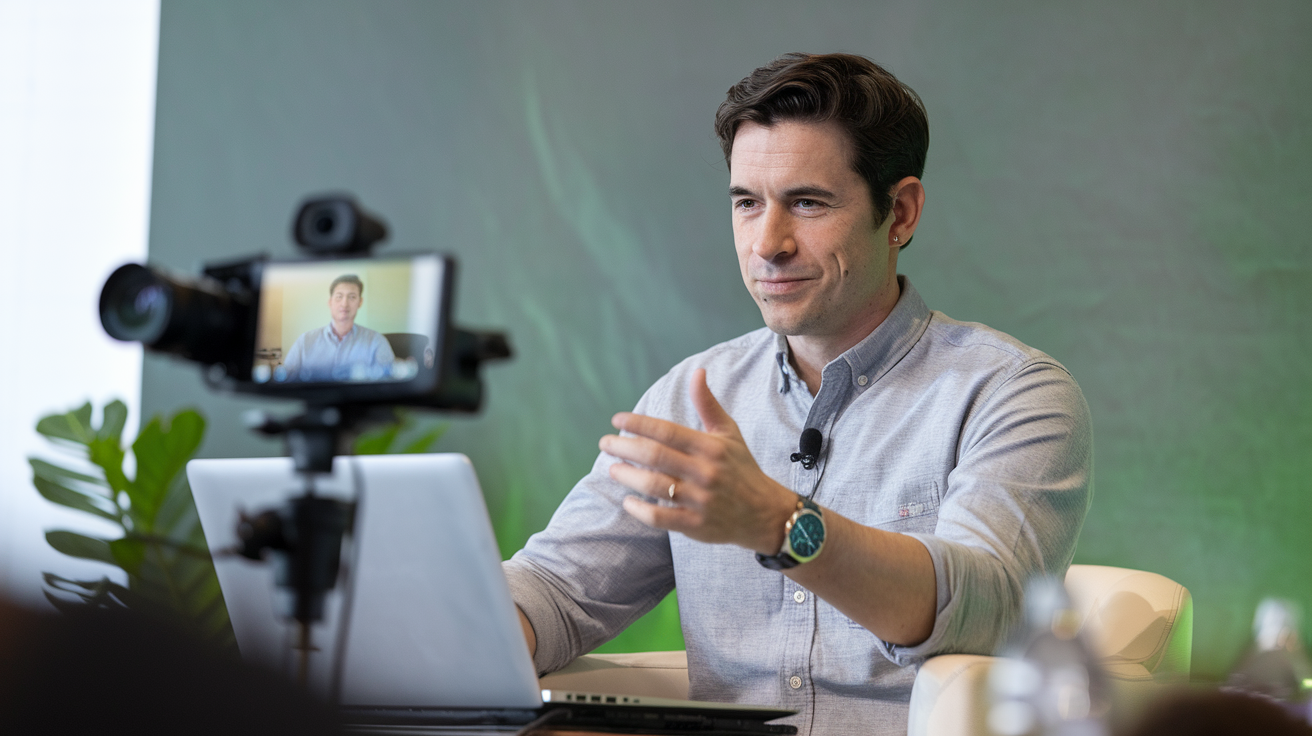
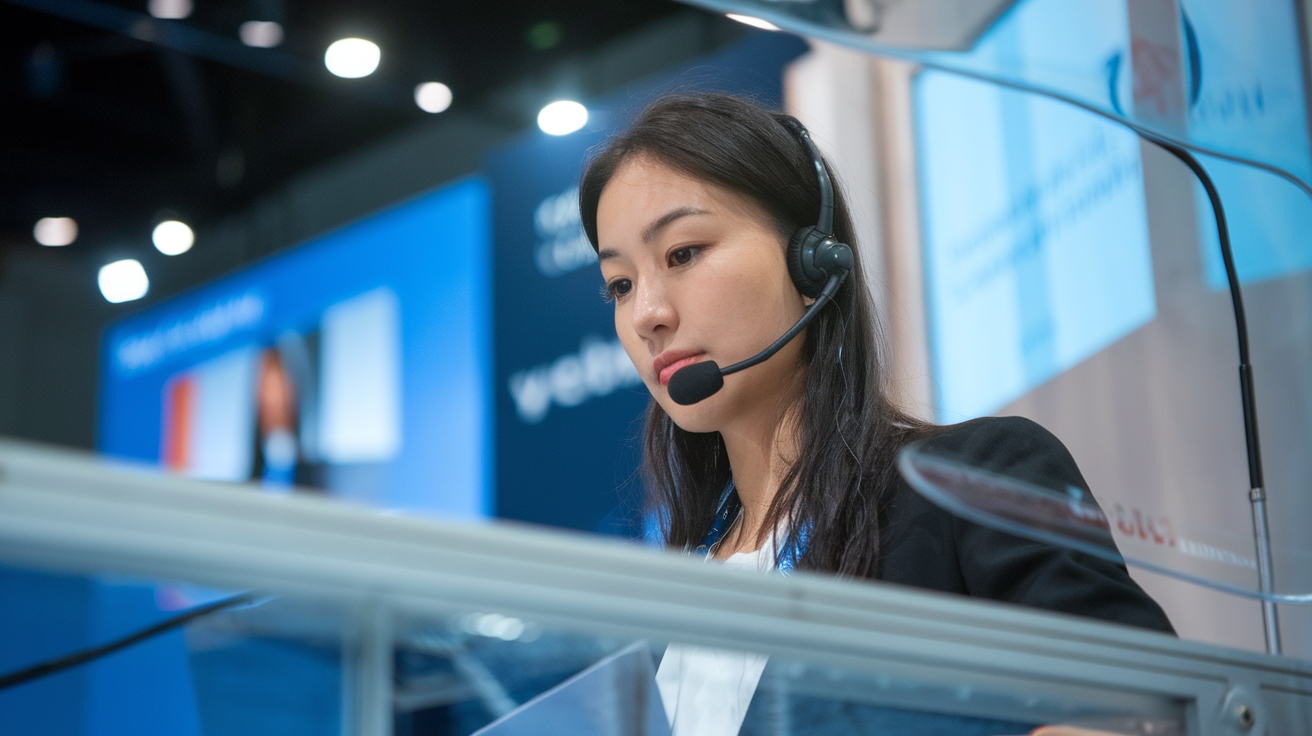
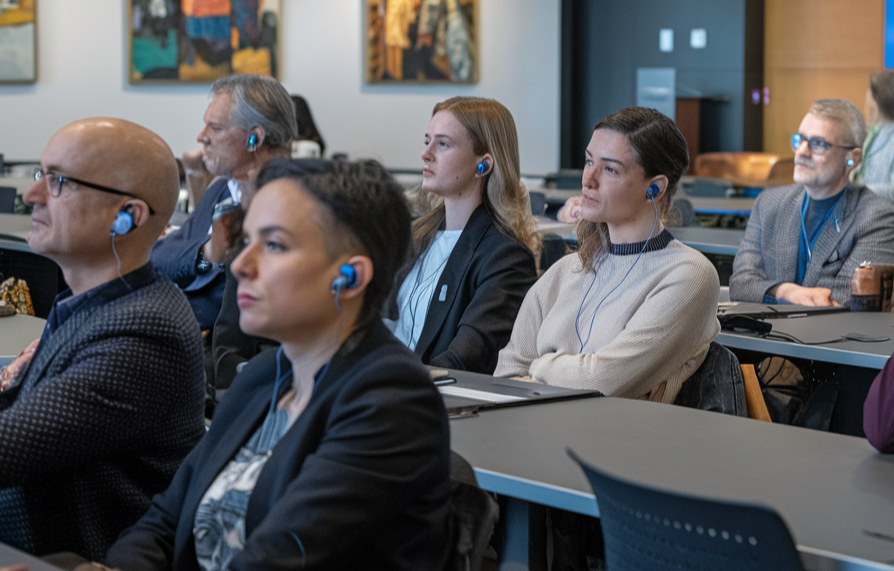
How infoports work: Interpreters do not need to be physically present in the room - they work remotely (in the RSI - Remote Simultaneous Interpreting model) from their office or studio. The sound and the video feeds of the trainer and participants as well as the presentation are transmitted to the interpreters via the internet, and their interpretation is sent live to a small transmitter in the room. Event participants receive compact receivers - infoports consisting of a receiver and headphones and hear the interpreter's clear voice without delay.
Why it works:
- Maximum space recovery: the entire room remains available for participants.
- Cost reduction: no fees for transport, installation, and dismantling of heavy booths.
- Simple operation: the participant simply puts on the headphones and selects the appropriate channel.
2. Group mobility - site visits and fieldwork
Scenario: The event is not limited to sitting in a room. A group of investors, foreign guests, or employees visits a production plant, construction site, museum, or an extensive company campus, and translation must be available without interruptions throughout the study visit.
How infoports work: The speaker (or interpreter walking alongside the group) uses a lightweight, portable transmitter with a headset microphone or clip-on mic. Participants can move freely within a radius of 50-60 meters, hearing every comment directly in their headphones - even in a noisy factory environment.
Why it works:
-
Full freedom of movement: no cables or permanent installations.
-
Noise compensation: high-quality directional microphones used by the interpreters isolate ambient noise (e.g., machine operation), ensuring perfect speech comprehension.
-
Safety and discretion: the speaker does not have to shout, and the group does not block pathways by crowding closely just to hear the interpreter.
3. Hybrid event – interpreters around the world, audience on-site and online
Scenario: An international conference takes place simultaneously for the audience gathered in the hall and for participants joining via a streaming platform. Interpreters work remotely from different time zones.
How infoports work: Audio and video signals from the hall will be sent to the online platform, where interpreters translate the presentation live. Interpretation is transmitted simultaneously to two groups of recipients:
-
Online viewers select their language track in their app.
-
On-site participants receive the same language audio feed through infoports connected to the digital audio bridge in the hall.
Why it works:
-
One service for two worlds: combining an on-site event with a virtual one into a cohesive language ecosystem.
-
Seamless scalability: easy to add additional languages without the need to crowd the equipment in the hall.
-
Zero hassle for on-site guests: participants in the hall do not need to install apps on their personal phones or drain batteries – they receive a ready, reliable infoport receiver.
Infoports serve as a bridge between traditional event execution and modern cloud technologies. Thanks to them, language support ceases to be an end in itself and becomes a flexible backdrop for your event.
Contact us at:
t: +48 502 386 666
@: biuro@oiww.eu

OIWW sp z o.o.
ul. Twarda 18
00-105 Warsaw
@: biuro@oiww.eu
t: +48 502 386 666
Copyright OIWW sp z o.o. 2026